Showing posts with label Garden (Our Garden). Show all posts

Friday, May 2, 2014

Squash Blossoms from our garden

This Kabocha squash grew from the seeds that we threw in the compost bin. It was a small plot meant for the Okra but since the squash started growing already, we just decided to keep it. The jury is still out on weather it will actually grow some squash. So while we're waiting, we decided to go ahead and harvest some of the male blossoms to mix in to our Mung bean soup. The delicate blossoms do not pack a lot of calories, but they are rich in calcium, iron and vitamins C and A. Well we just wanted to show how we prepped the blossoms for soup. Hopefully we can have more from the plant and maybe stuff them in the future.

squash blossom

our squash

First off, how to choose the male from the female. 

male
female

How to prepare the squash blossoms


1. Remove the sepal

2. Remove the first layer of the stem

3. Remove the anther

4. Wash


Monday, March 24, 2014

Transplanting seedlings

Luckily my wife has a green thumb or else we would have some fantastic looking crates that are filled with dirt and not much else. These are seeds we bought a little over a week ago and planted. The herbs and tomatoes are lagging a little bit but the vines have grown quickly and are set for transplanting. Hopefully we'll have positive updates in a few weeks.     
seedlings

snow peas

green beans
half finished compost to be covered with topsoil 
transplanted snow peas


Seed Preparation

Starting a vegetable garden doesn't have to be some big production and a spending spree at the Home Depot. Upscycling or recycling or repurposing or whatever the new catch phrase is nowadays. Think before you throw away household items. The landfills are getting full with our unnecessary crap. Let's be a little bit more responsible and creative. I think a small vegetable garden is a worthy investment of our time, given that the rewards are paid in multiple ways. Teach the kids a skill. Better yet teach yourself a new skill. At the end of the day, eating some fresh picked vegetables from your garden that you grow won't kill you....quite the contrary. :)


tissue roll and used plastic cup for planting

herb seeds preparation

used plastic cup

papaya seeds


asian squash seeds

tomato seeds

Organic Veggie Garden Pt. 1

This is our version of container gardening. These are produce that we bought when we first got here and instead of throwing away the stems, we planted them to get a head start in the Spring season. We don't use chemical fertilizers, but instead we use our own compost. It's a good feeling to start crawling towards self sustainability. In time, we will be able to incorporate more things from our garden to the recipes that we post here, but most importantly, to our own diet. Healthy is wealth!


Sweet potato

kangkong ( water spinach, swamp cabbage)

Chinese celery

kangkong

camote ( sweet potato leaves)


Camote (sweet potato)

garlic and shallots

lemongrass

malunggay (moringa)
mint

calamansi tree
spring onion

our small organic garden... to be continued.
the little farmer

Tuesday, March 4, 2014

Composting. A whole lot of WHY and a little bit of HOW.

Global warming to Climate change.

Polar Vortex to Crippling Drought from coast to coast.

Whether you believe it's man made or nature just going through a cycle, one thing is for sure, we all share this space which makes each and every one of us responsible in doing our part. If it was up to me, I would kindly ask everyone to compost. Look, nature does the hardest part. All you really have to do is sort it, and nature will take care of all the heavy lifting for you and what you'll be left with is nutrient rich black gold for your garden. 

Look it up online and you have the purists and the experts telling you about 3 X 3 X 3 piles and internal temperatures that will kill weed seeds and pathogenic organisms and perfect ratios of nitrogen to carbon until your head starts to spin and so the next time you make it to your kitchen, you end up trashing your vegetable peels thinking to yourself...out of sight...out of mind. You also build up excuses as it will smell or it will attract rodents to the house or I don't have enough kitchen scraps or dried leaves and on and on and on...

Here's my version of Composting for the Average Joe and Jane.

First off:  DO NOT PUT COOKED FOOD and DO NOT PUT RAW MEAT PRODUCTS.
Rats and Roaches: SOLVED.

Step 1: Place a container next to the sink. The new buzz word nowadays is "REPURPOSED". Whatever floats your boat. Any receptacle that will save you the "long walk" to the back to chuck 1 banana peel in the compost bin will do. I have this and it cost me $2.00 and it gets emptied every night. 


Step 2:  The Bin. This can range from FREE to however much you're willing to invest in a bin.

basically free

 around $180

this one is mine and it cost $10 at Walmart. drilled holes in the bottom and along the sides for ventilation. 3 bricks under the can to help with drainage and 1 brick for the lid on because of the punk raccoon that likes to mess with me.(compost inside is not quite finished. still had a few solids in it because I just got the new bin, however for all intents and purposes.... that's black gold down there... just so you know I'm not lying haha.

Step 3: What to put in that bin? Ratio to keep in mind is 2 parts brown to 1 part green. Greens are everything from fruits and vegetables that have gone bad in your fridge. Vegetable and fruit peels. Coffee grounds from the coffee maker and go ahead and throw the filter with it. Grass clippings from the yard. Browns are dried leaves, cardboard, shredded paper from the machine, newspaper and dried up yard clippings. 

My new batch consists of grass clippings and dried leaves raked up around the property. The rest will be a few weeks worth of kitchen scraps until the bin is almost full. You can add to it periodically but once it starts to really get going, you can go ahead and just wait for it to mature and start off another bin. 

Finally once you have your greens and browns mixed in, toss a bit of dirty on top to introduce as a bacterial kick starter and water the pile just until it feels like a wet rung out sponge. 


TROUBLESHOOTING:

I don't have enough stuff to put in: Totally fine. We all have different habits and situations so fill it as you go. You might only have greens, or only browns. Doesn't matter. It will decompose in due time.

It's starting to smell sour/bad!: Too much greens. If you have some, add some dried leaves or dried grass clippings. Shredded paper or newspaper will also work well to balance out the aerobic and anaerobic bacteria. Along with the smell, it will also be slimy so shovel some dry soil and order will be restored in the bin.

Can I speed up the process?: Yes. Give the pile a nice turn once a day if you're adventurous enough. It will introduce some air to the particles that are in the middle and that will kick start the essential bacteria to do their job. Turning will also give you a chance to see if the pile is too dry or too wet so you can either add some greens or browns. Another great tip to speed things up is to chop up whatever you throw in there. The more surface area bacteria can grab on to, the faster the decomposition process will be. 

Mature compost will look and smell like dirt. Know that whatever type of soil you have, compost will help it. You can either add it to the soil before you plant or add it to already growing plants. You can even make a compost tea and use it to water your plants if you don't have much compost to go around. If all else fails and you aren't the gardening type... give the compost to someone who does and I'm sure they'll return the favor with some delicious fruits and vegetables.

Saturday, March 1, 2014

The Humble, Edible Sweet Potato Leaves

The importance of leafy greens in our diet is indisputable. The vitamins, minerals, fiber and phytochemicals
all working together to help us lose weight, keep our blood pressure down, control blood sugar and even fight some cancers among other wonderful health benefits, solidify the fact that we make room for them on our plate.

Growing up in Southern California, I remember having these these sweet potato vines just crawling all over the side of the house. My grandmother and mom would trim off a few of the tops and blanch them until wilted and ate it with a dash of fish sauce.. I couldn't remember hating them because quite honestly, I never bothered to try it. Having it as a side along with fried fish and some rice and they were very content. Not until I lived in Philippines with my wife that I actually started eating and enjoying this rather mild tasting leafy green.

Health is Wealth.

Now that we've established the health benefits, let's tie it all in. Moving out here to Florida, we talked about keeping it simple. The small place we were renting in Los Angeles didn't have room for even a small garden. Eating greens most of the time consisted of buying a bag of spinach for $3.00. Asian markets had a nice variety of greens but at the end of the day we started asking ourselves. How hard could it be to grow these ourselves? The 2 advantages would be A) we would never use pesticides and B) it would always be absolutely fresh. health AND wealth. so we did. went to the local Asian market and got a bunch of sweet potato leaves and ate most of it and the rest... stuck them in the ground. My wife just tilled the ground, stuck them in the ground about 2-3 inches deep and within a week or two they laid down their roots. They even survived the frost last month and now they're back to being green and healthy. Surprisingly enough, even with our soil here being so compacted and rocky, we even dug up a few sweet potatoes after only 5 months.


In the event that you don't have a handy Asian market to grab a bunch of sweet potato leaves, here's an excellent how-to on planting it right from the sweet potato.

http://www.diynetwork.com/how-to/how-to-plant-and-grow-sweet-potatoes/index.html

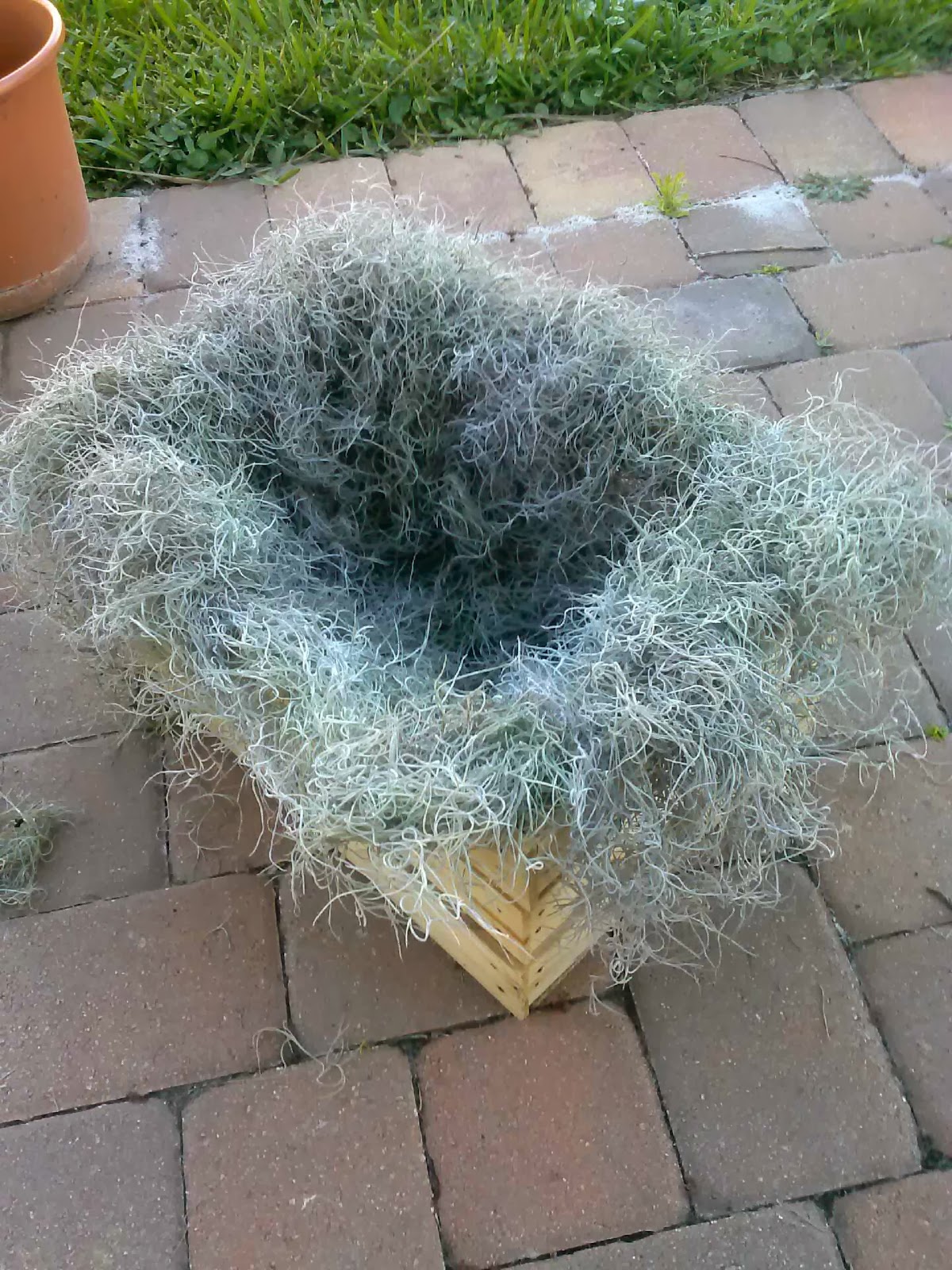
Where we live, the home owner's association pretty much allows you to plant "decorative vegetation". Yes it's ridiculous, but for now, it is what we are dealing with.  If manicured lawns and useless sago palm trees are what they want...who are we to argue? On top of that, the lawn fertilizer drenched soil isn't something we want to grow our food in, which brings us to container planting. We were able to grab these small wooden crates at the Asian market for the whopping price of.....FREE. For this project, all we had to buy was the top soil. 40 lb bag for $1.28. Not too shabby.

Step 1. Spray down wooden crate with bleach water to make sure they're clean.


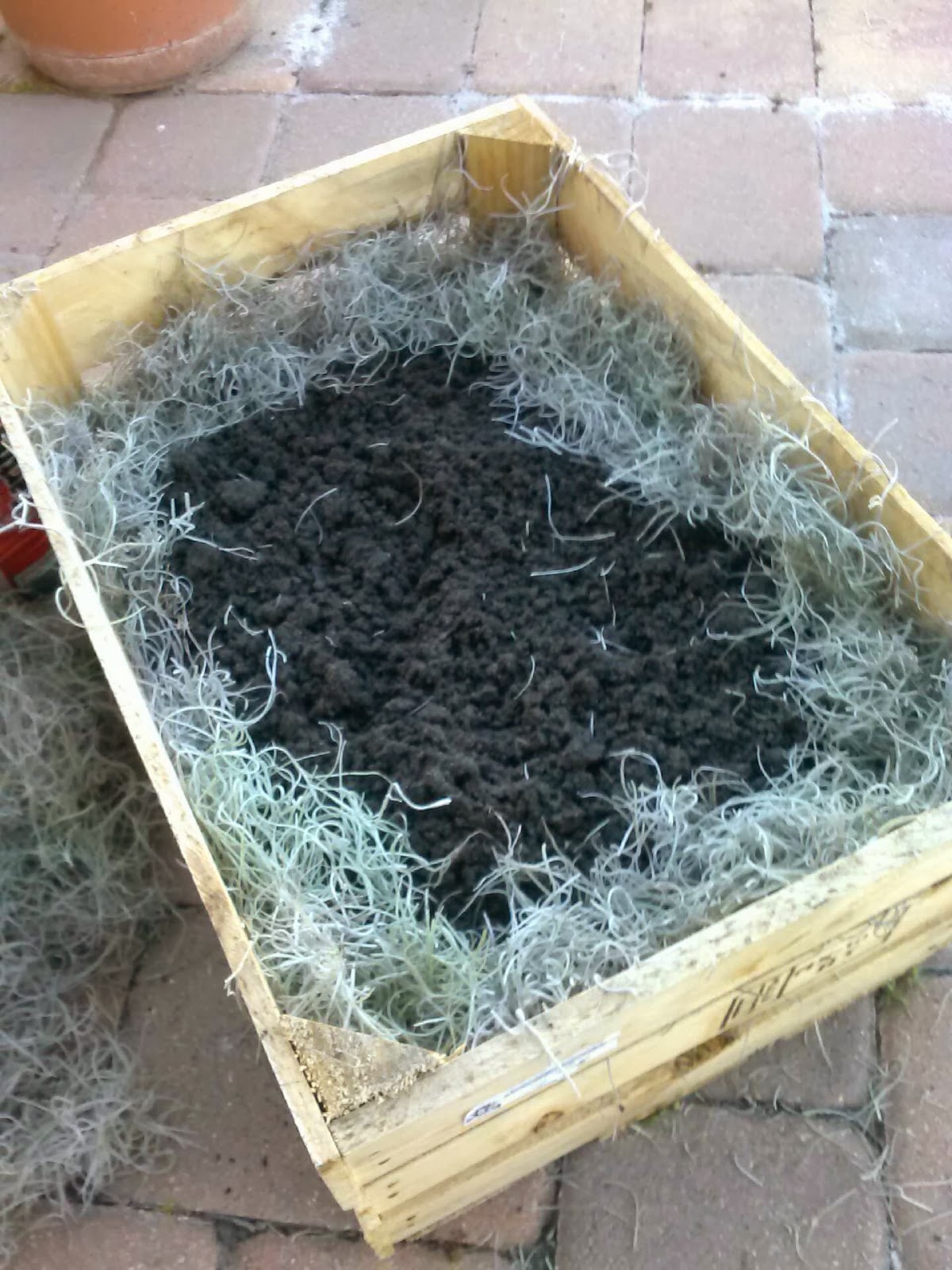
Step 2. Line crate with newspaper, cardboard, or hay. In this case we were able to pick up some hanging moss from the park. 


Step 3. Add a layer of top soil 


Step 4. Add a layer of compost. (I only had unfinished compost so this is my version of lasagna gardening.)


Step 5. Top off with top soil and trim off excess hanging moss.


Step 6. Transfer your greens. (here we have the sweet potatoes, river spinach and Chinese celery)


It's finally warming back up here in Florida so we figured we would get a head start on this planting season. We will also be starting our seedlings and will continue to update on how they are all doing. Thanks for coming by and we'll see you soon!